
Aboriginal and Torres Strait Islander viewers are warned that this website contains images or videos of deceased persons.
The Banjima Remediation & Justice Class Action
The Banjima people are the traditional owners of land in Western Australia’s Pilbara Region.
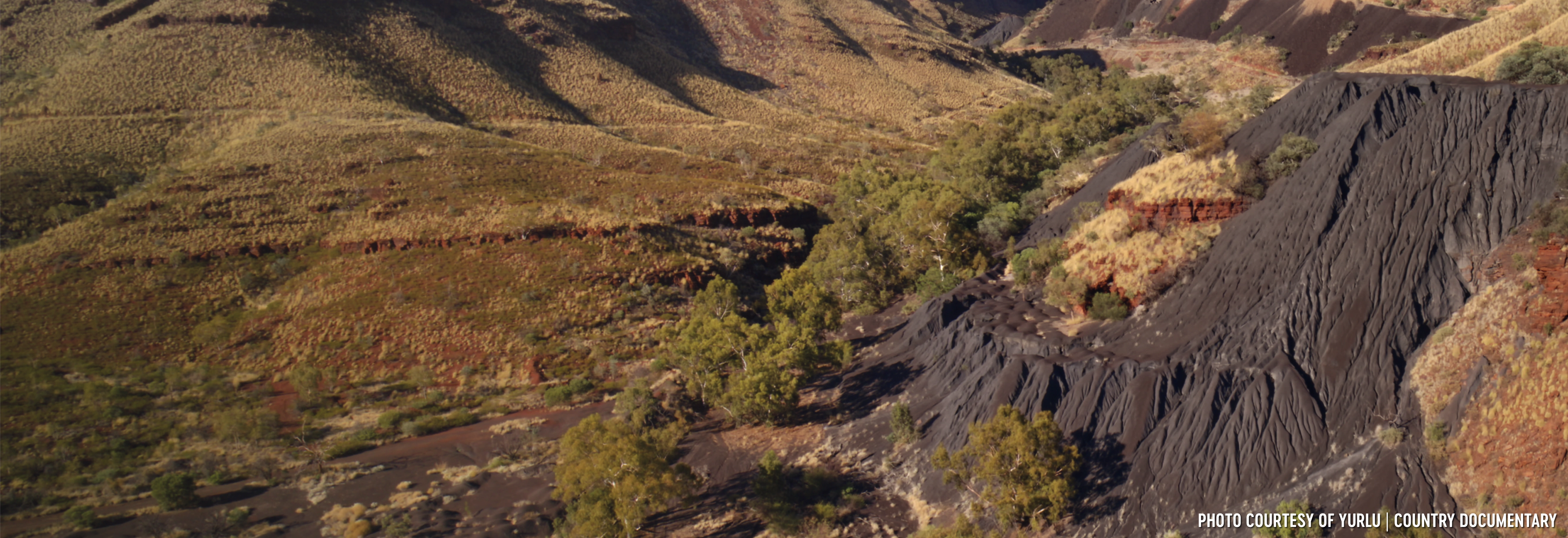
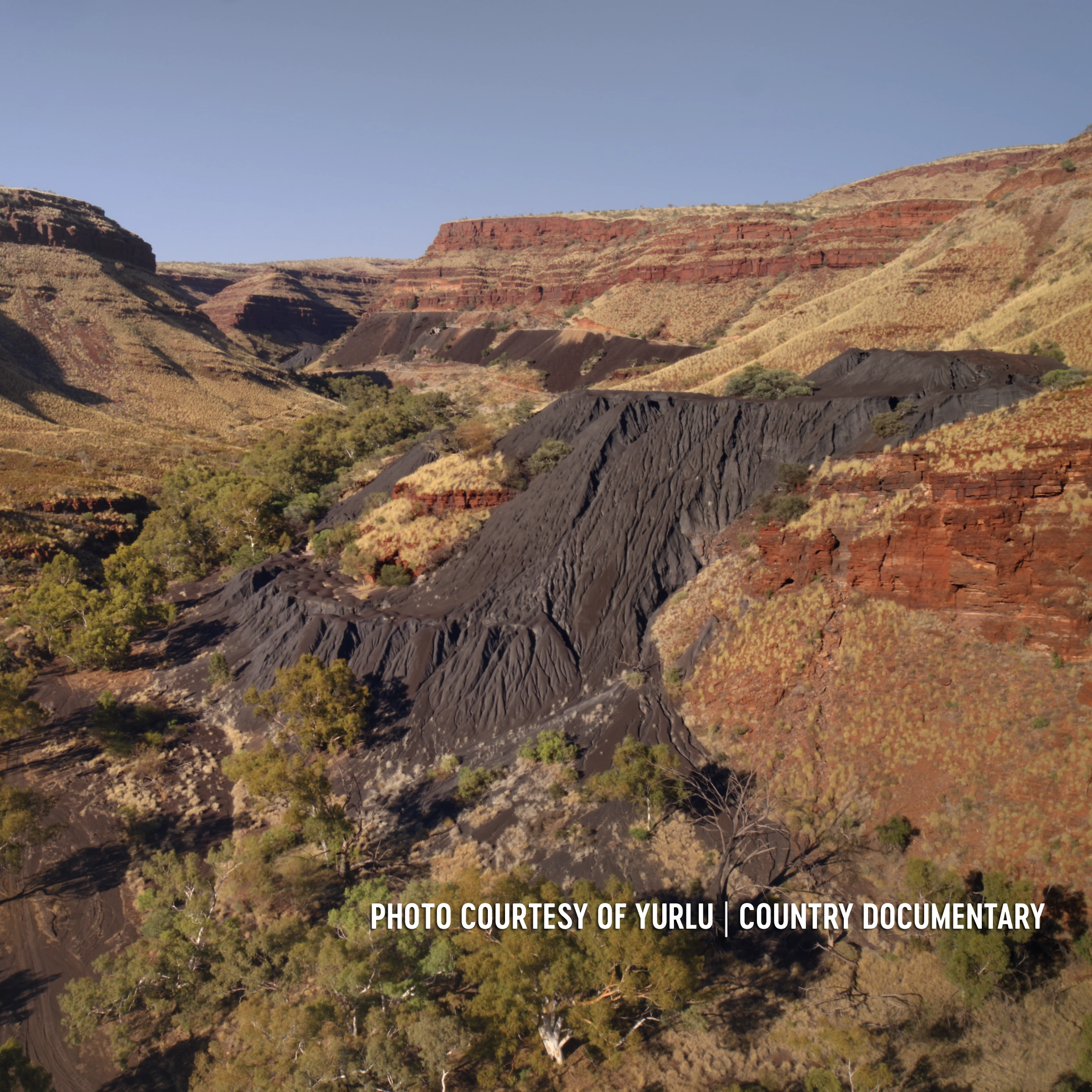
Their home is the site of the largest toxic dump in the Southern Hemisphere – three million tonnes of waste from the Wittenoom blue asbestos mine was dumped on their land – enough to fill the Melbourne Cricket Ground (MCG) twice over.
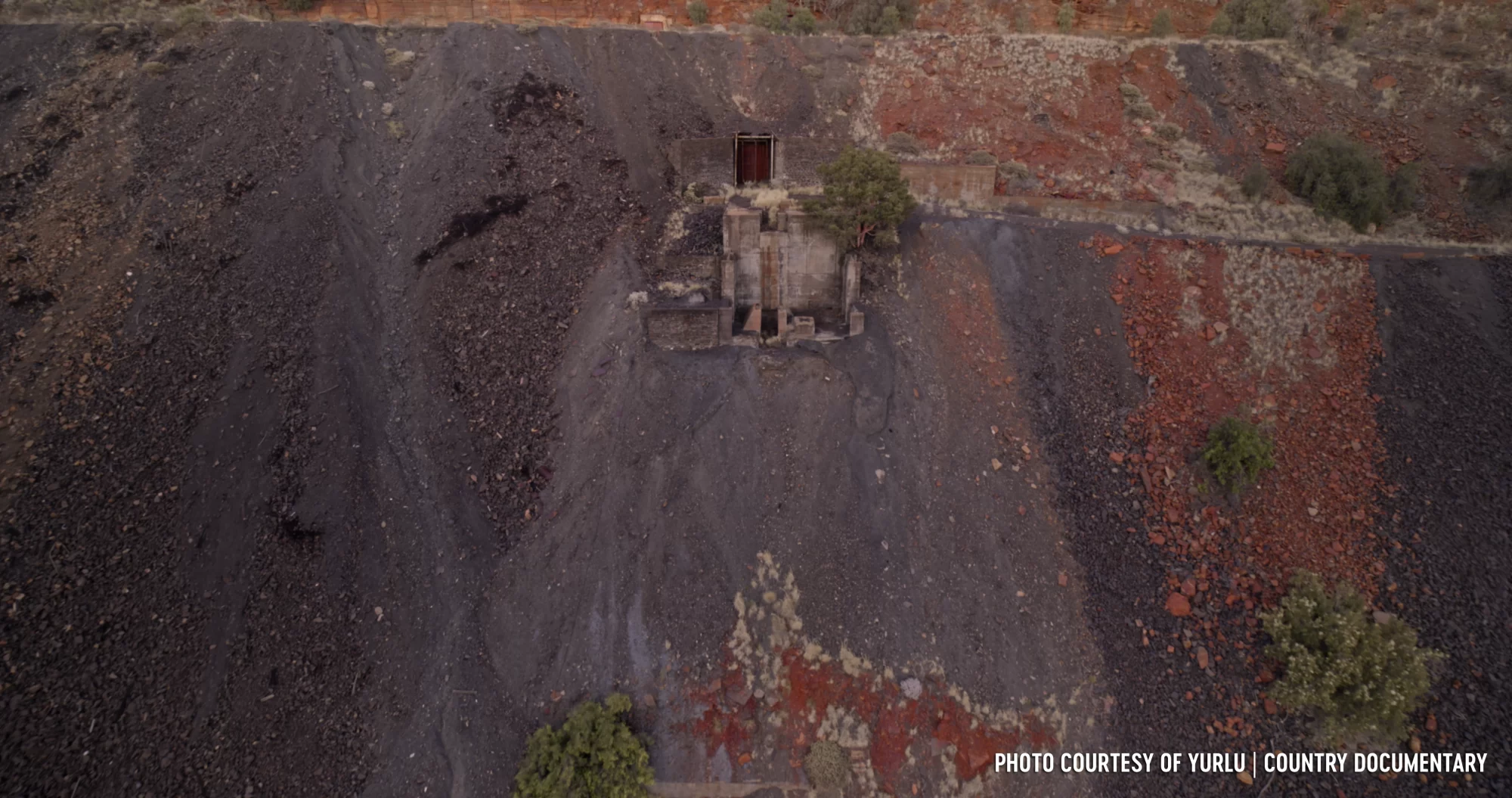
For decades, asbestos waste was dumped by miners into the gorges at Wittenoom, leaving mountains of carcinogenic asbestos tailings exposed to the elements.
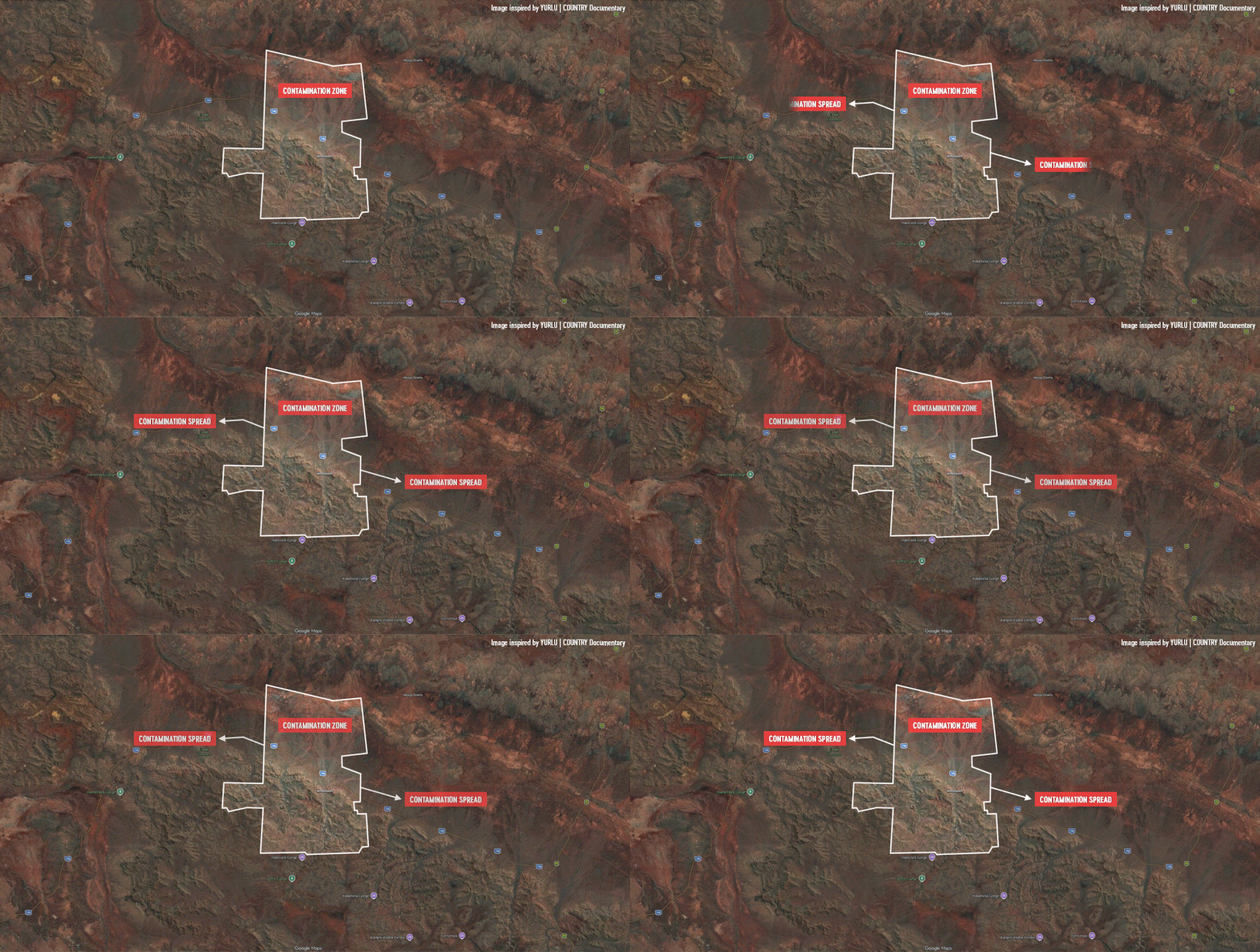
Wind and water have caused the contamination to spread – it’s still spreading. The contamination zone is getting larger every year.
The State of Western Australia has owned the asbestos tailings since the 1980s. Nothing has been done by the State to stop the contamination from spreading. Not one shovel has been bought or used, for over 40 years.
Blue asbestos is deadly. It causes a cancer called mesothelioma, which has a very low survival rate. Banjima traditional owners have already died from mesothelioma. Future generations of Banjima people are at serious risk.
Indigenous peoples in Western Australia already have the highest rate of mesothelioma of any group, anywhere in the world. This is the legacy of the Wittenoom asbestos dump.
The Banjima people can’t exercise their Native Title rights on their own land, without putting themselves in harm’s way. The traditional elders can’t meet their responsibilities to protect their land.
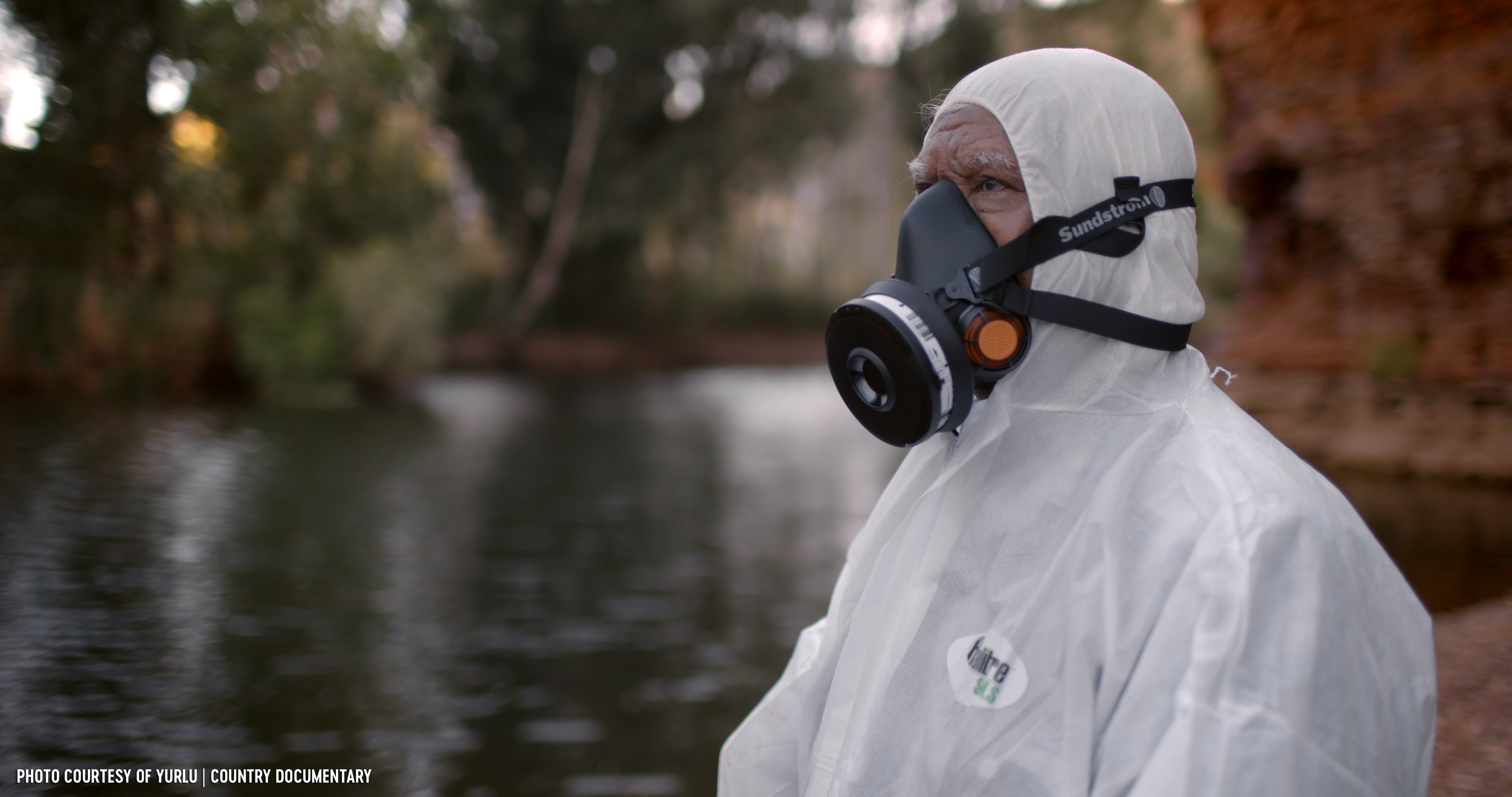
Gordon Legal has been instructed by Banjima Native Title Aboriginal Corporation (BNTAC) to bring a class action on behalf of the Banjima people. The aim of the class action is to clean up the contamination and seek justice and compensation for the harm that has been done.
The legal claim is being brought in nuisance. The State of Western Australia owns this toxic dump – it’s time for them to own this problem and clean it up.
What outcomes are we seeking?
The Banjima people seek orders compelling the state to effectively and safely clean up the asbestos contamination of their country and they seek redress for the damage that has been done.
How can you show your support?
You can show your support for the Banjima people in their historic legal claim by sending a message or uploading a photo or video here.
We want you to tell us why you are standing with the Banjima people to demand the clean up of Country.
We will post a selection of your messages on our website, and we will send them to the Banjima people and to the State of Western Australia.
Banjima Remediation & Justice
Frequently Asked Questions
Why are the Banjima people launching this class action now?
Because the Banjima people have the highest rate of asbestos cancer in the world and the contamination is still spreading.
Because the toxicity and carcinogenicity of blue asbestos never degrades.
Because, despite decades of talk, the State has done nothing to stop the spread or reduce the risk.
The risk continues to increase with time – and without action, it will continue for hundreds of years.
What harm has this contamination caused to the Banjima community?
Many have died and many more will die. All Banjima people live with the fear of what may befall them and their families.
The harm is also cultural, spiritual, emotional and intergenerational.
Elders can no longer safely take children onto Country to teach them stories, songlines and law.
Sacred places, rivers, creeks and ceremony grounds are contaminated.
The fear of exposure makes it impossible to fulfil responsibilities handed down over thousands of years.
What evidence shows the State knew about the dangers?
In 1994 the State Government itself acknowledged in an official government report that no court was ever going to accept that the government did not know that residents of and visitors to the Wittenoom area were at risk of asbestos cancer.
How long will the case take?
Gordon Legal intends to impress upon on the Court the need for urgency.
There has been 32 years of talk.
We hope that a trial date for the first phase of this case (Orders for remediation) can be set sometime in the next 12 months.
Can the contamination be fixed?
Gordon Legal has commissioned and provided to the Western Australian government feasible strategies for remediation.
These strategies follow on from engineering consultants who have previously outlined plans for remediation including consolidation, containment or removal of tailings and contaminated soil.
These options were reviewed as early as 2013–2015 but never implemented by the State.
Poisoning Banjima Country – a Timeline
1930s
1940s
1950 – 1970
1985
1988
1990
1992
1994
2022
2025
2026
Important Documents
Need more information?
If you are a Banjima person who would like more information about the class action, you can contact BNTAC on 1800 122 655 or visit bntac.org.au.